What Do I Do When My Spouse in Memory Care Gets a Girlfriend or Boyfriend?
Surprise, Arizona 623-230-3698
You did not expect this part.
You expected memory loss. You expected doctor visits, hard decisions, paperwork, and tears. You may have even prepared yourself for the day your husband with dementia stopped recognizing the house, or when your wife with Alzheimer’s doesn’t remember me became a sentence you whispered in private.
But you likely did not prepare for the phone call saying your spouse has become attached to another resident.
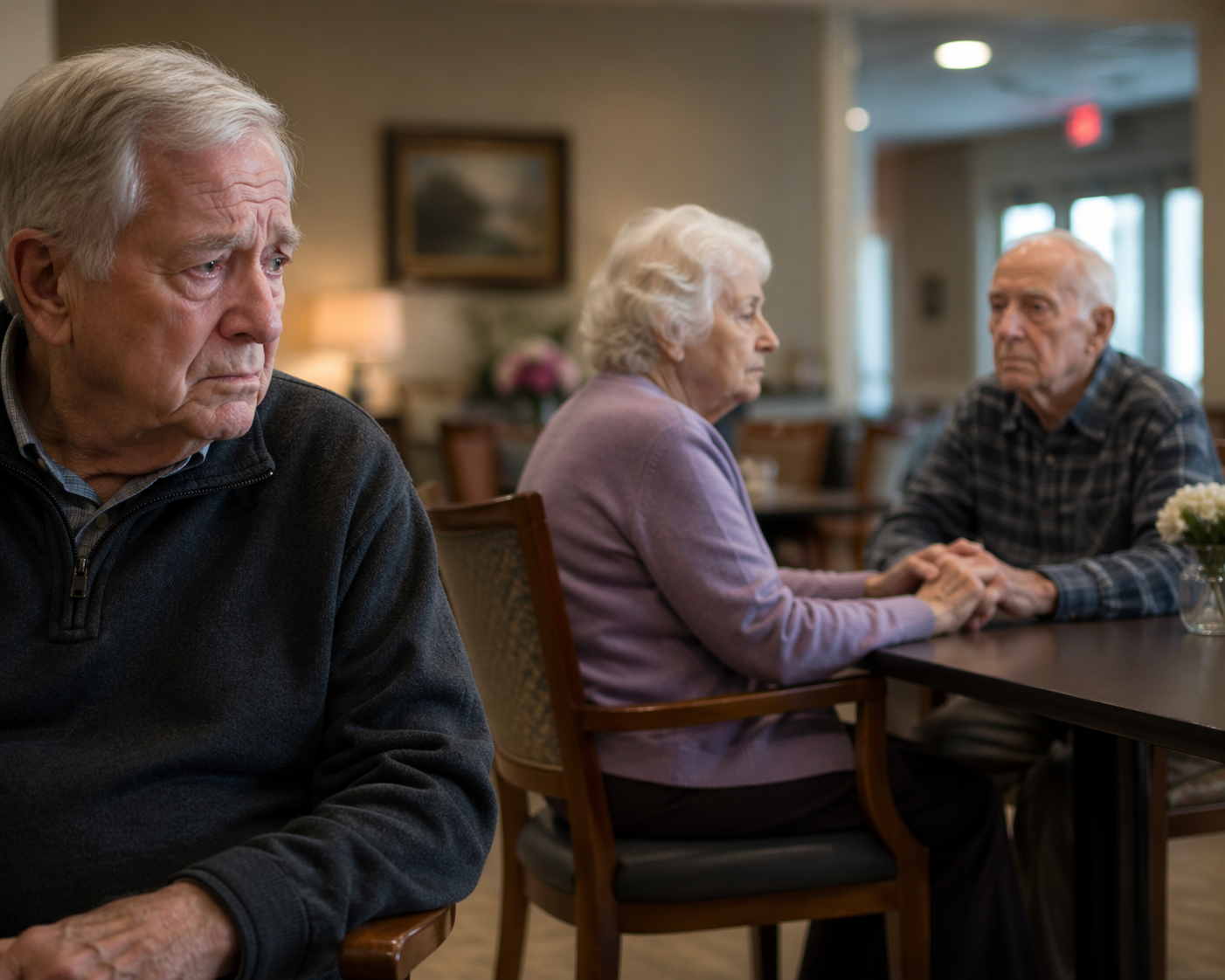
Maybe they are holding hands. Maybe they sit together every day. Maybe they call someone else “sweetheart.” Maybe staff or family members laugh and say, “Isn’t that cute?”
And while others chuckle, something inside you breaks.
If this is happening to you, please hear this clearly:
Your pain is real.
Even if they do not fully understand what they are doing.
Even if dementia is the cause.
Even if everyone else thinks it is harmless.
You are not overreacting. You are grieving.
Why This Can Happen in Dementia or Alzheimer’s
Many forms of dementia change memory, judgment, impulse control, emotional regulation, and orientation to relationships. A person may forget timelines, marriage status, or even recognize familiar people inconsistently.
This kind of dementia spouse behavior can happen because your loved one is seeking:
Comfort
Familiarity
Safety
Human touch
Relief from loneliness
Daily companionship
Emotional reassurance
It is often less about romance and more about a deeply human need to feel connected.
That does not mean it feels less painful to witness.
“People Keep Laughing About It… But I’m Crushed.”
This is one of the loneliest parts of memory care relationship changes.
Others may see two residents smiling and think it is adorable. They may minimize it by saying:
“At least they’re happy.”
“They don’t know what they’re doing.”
“Just let them enjoy it.”
But you are the spouse.
You remember anniversaries.
You remember vows.
You remember who they used to be.
You remember the life you built.
So when others dismiss your hurt, it can feel like no one sees the wound underneath.
You know they have dementia.
You know this disease changes the brain.
But knowledge does not cancel heartbreak.
Grieving Someone Who Is Still Alive: Ambiguous Loss
There is a term many caregivers have never heard, yet deeply live every day:
Ambiguous Loss
This is the grief of losing someone who is physically here, but psychologically changed.
Your spouse is alive. You can still hold their hand. You can still visit. But the person you knew may come and go in moments. Parts of them feel unreachable.
When a husband with dementia has girlfriend or your wife emotionally attaches to someone else, that grief can intensify.
You are mourning:
The marriage as it once was
Shared memories they no longer carry
Your role as spouse
Future plans that disappeared
Feeling chosen and remembered
This kind of grief is real and deserving of support.
What Can You Do Right Now?
1. Talk With Facility Staff Respectfully
Memory care teams often navigate these situations carefully. Ask for a calm conversation.
Helpful questions:
Is this relationship comforting or distressing to either resident?
Are boundaries being maintained?
Is anyone becoming possessive, agitated, or unsafe?
How are staff supporting dignity for everyone involved?
Good facilities understand this is not gossip—it is emotional reality for families needing memory care emotional support.
2. Set Boundaries If Needed
You are allowed to say certain situations are too painful.
Examples:
Asking not to walk in unexpectedly during private moments
Requesting a heads-up if dynamics escalate
Choosing whether or not to join shared activities
Limiting conversations from family members who mock the situation
Boundaries are not cruelty. They are protection.
3. Give Yourself Permission to Feel Hurt
Many spouses feel guilty for being jealous or angry.
Please don’t shame yourself.
You may feel:
Replaced
Forgotten
Embarrassed
Furious
Numb
Deeply lonely
All of those feelings can exist alongside love.
You can understand dementia and still ache.
4. Reframe the Attachment
This can help soften—not erase—the sting.
Often the attachment is not betrayal. It is a brain affected by disease seeking comfort in the moment.
They may not be choosing another person over you.
They may simply be responding to whoever feels familiar, nearby, soothing, or present.
That does not remove grief, but it can reduce personal blame.
5. Protect Your Own Emotional Health
You are not required to absorb pain endlessly.
It may be healthy to adjust:
Visit times
Length of visits
Frequency of visits
Whether someone accompanies you
Activities you do together
Sometimes shorter, more peaceful visits are better than long painful ones.
6. Journal What You Cannot Say Out Loud
Many spouses carry private thoughts they feel ashamed to voice.
Write honestly:
“I miss who you were.”
“I’m angry this disease stole us.”
“I feel invisible.”
“I still love you.”
Naming pain often loosens pain.
7. Seek Caregiver Grief Support
This is too heavy to carry alone.
Look for:
Dementia caregiver groups
Counseling
Faith-based support if meaningful to you
Trusted friends who can listen without minimizing
Caregiver grief support can be life-giving when the world misunderstands your sorrow.
If Faith Is Part of Your Life
Sometimes all you can pray is:
“God, help me love through what I do not understand.”
That is enough.
You do not need polished faith in seasons like this. Just honest faith.
When Hospice Support Can Help Dementia Families
As dementia progresses, families often face new layers of loss, medical decline, confusion, agitation, weight loss, infections, falls, and emotional exhaustion.
Hospice support for dementia families is not about giving up. It is about adding support.
Hospice can provide:
Nursing guidance
Symptom management
Emotional support for family
Social work support
Chaplain/spiritual care if desired
Help navigating hard decisions
Comfort-focused care as disease advances
Many families wish they had support sooner.
A Final Word for the Spouse Reading This at Midnight
You are not foolish for hurting.
You are not selfish for struggling.
You are not weak because this wounds you.
You loved someone deeply. Of course it hurts when disease changes the shape of that love.
This chapter may be unfair, confusing, and lonely—but you do not have to walk it alone.
Mountain View Hospice proudly supports families walking through dementia, caregiving, and end-of-life transitions with compassion and guidance throughout Arizona’s West Valley.
📞 623-230-3698
🌐 www.mountainviewhospice.com